
Bringing Home a New Puppy for Christmas: Setting Boundaries and Managing Freedom from Day One
- Dec 28, 2025
- 5 min read
Updated: Jan 5
Bringing a New Puppy Home for Christmas: Your Guide to a Joyful Start
=====================================================================
Bringing a new puppy home for Christmas is an exciting and joyful experience. The festive season adds extra warmth and happiness to welcoming a furry family member. But along with the fun comes responsibility. Setting clear boundaries from the very first day is key to raising a well-behaved and confident dog.
Many new puppy owners make the mistake of letting their pup get away with bad habits because the puppy looks so cute. This can lead to problems later on. Using tools like a lead or crate helps manage your puppy’s freedom and keeps training on track. Training a puppy shares many similarities with raising children; both need consistent rules, patience, and guidance.
This post will guide you through why boundaries matter, how to use a lead and crate effectively, and how to avoid common mistakes. You’ll also learn about a helpful service called the Puppy Power Session that can give your puppy the best start.
Why Setting Boundaries from Day One Matters
When you bring a puppy home, everything is new and exciting for them. They want to explore, chew, and test limits. Without clear boundaries, puppies can develop habits that are hard to change later. For example, if you allow your puppy to jump on furniture or nip at hands, they may think these behaviours are okay.
Setting boundaries early helps your puppy understand what is allowed and what is not. This creates a safe and calm environment for both of you. Puppies feel more secure when they know the rules. It also makes training easier because your puppy learns what to expect.
Think of boundaries as the foundation of your puppy’s education. Just like children need rules to grow into respectful adults, puppies need limits to become well-mannered dogs.
Using a Lead to Manage Your Puppy’s Freedom
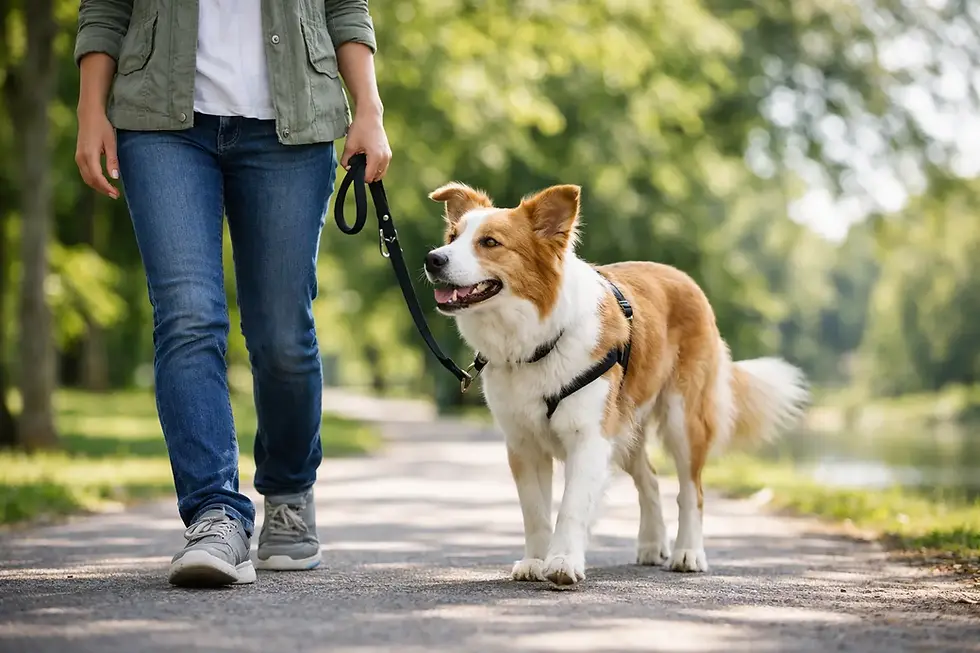
A lead is one of the simplest but most effective tools to control your puppy’s freedom. It allows you to guide your puppy’s movements and prevent unwanted behaviours before they start. For example, if your puppy tries to chase a cat or chew on something dangerous, you can gently pull the lead to redirect them.
Using a lead also helps your puppy learn good manners when walking and interacting with people and other dogs. It teaches them to stay close and listen to your commands.
Many new owners forget the importance of the lead indoors as well. When your puppy is still learning, keeping them on a lead inside can prevent accidents and stop them from exploring off-limits areas.
The Role of a Crate in Puppy Training
A crate is a safe space for your puppy. It acts like a den where your puppy can rest and feel secure. Crate training helps with housebreaking and prevents destructive behaviour when you cannot supervise your puppy.
Introducing the crate should be a positive experience. Use treats and toys to encourage your puppy to enter the crate willingly.
The crate also limits your puppy’s freedom when you are busy or away. This prevents them from developing bad habits like chewing furniture or having accidents around the house.

Training Puppies Is Like Raising Children
Training a puppy is very similar to raising a child. Both need clear rules, consistency, and patience. Puppies, like children, learn best through short, fun sessions that keep their attention.
For example, the Puppy Power Session offers 30-minute training bursts tailored to how puppies learn. These sessions focus on basics like recall, lead manners, and confidence building. This approach matches a puppy’s short attention span and helps build good habits early.
Just like children, puppies need positive reinforcement alongside corrections. Rewarding good behaviour encourages them to repeat it. Redirecting bad behaviour helps them understand what is not acceptable. Additionally, it's important to include corrections alongside positive reinforcement to guide them effectively. This balanced approach helps puppies learn the desired behaviours while understanding the consequences of their actions.
Key Strategies for Training Puppies
Positive Reinforcement: Use treats, praise, or playtime to reward good behaviour.
Corrections: Use gentle corrections to guide them away from undesirable behaviour or withhold a reward when a mistake is made, e.g., when their bum comes off the floor.
Consistency: Be consistent with commands and rewards to help them learn faster.
Patience: Training takes time; be patient and understanding as they learn.
Common Mistakes New Puppy Owners Make
Many new puppy owners fall into the trap of excusing bad behaviour because their puppy is cute. This can include:
Allowing jumping on people
Letting puppies chew on furniture
Ignoring nipping or biting
Giving in to whining or barking for attention
Not following through with what you've asked
These mistakes teach puppies that bad behaviour gets rewarded. For example, if a puppy jumps on you and you laugh or pet them, they learn jumping is a way to get attention.
Another common error is giving puppies too much freedom too soon. Without boundaries, puppies can become overwhelmed and confused. This often leads to anxiety and more behavioural problems.
How Using a Lead Helps Maintain Control
Using a lead is a simple way to keep control and prevent rewarding bad behaviour. When your puppy tries to do something unwanted, you can gently guide them away. This stops the behaviour before it becomes a habit.
For example, if your puppy starts to jump up at you, guidance on the lead and a firm “no” can interrupt the action. Then, reward all four paws on the floor.
The lead also helps you reward good behaviour at the right time. When your puppy walks calmly beside you or responds to a command, you can give praise or treats. This clear connection between behaviour and reward speeds up learning.
Getting Expert Help with Puppy Training
Starting off on the right foot with your puppy can be easier with expert guidance. The Puppy Power Session is a great example of a service designed to support new puppy owners.
These 30-minute sessions focus on how puppies learn best. You get one-on-one coaching on important skills like early recall, lead manners, and socialisation. This tailored support helps you build strong habits and avoid common pitfalls.
Investing in professional help early can save time and frustration later. It also gives your puppy the best chance to grow into a happy, well-behaved dog.
Building a Strong Bond with Your Puppy
Creating a strong bond with your puppy is essential. This relationship will be the foundation for all your training efforts. Spend quality time together through play, training, and exploration. This will help your puppy feel secure and loved.
Consider incorporating fun activities like agility training or scent games. These not only provide mental stimulation but also strengthen your connection. Remember, a happy puppy is a well-behaved puppy.
Final Thoughts on Bringing Home a Puppy for Christmas
Bringing a puppy home for Christmas is a wonderful gift for your family. To make the experience joyful and successful, set clear boundaries from day one. Use tools like a lead and crate to manage your puppy’s freedom and keep training on track.
Remember that training a puppy is like raising a child. Consistency, patience, and a balanced approach are key. Avoid common mistakes like excusing bad behaviour because your puppy is cute. Instead, guide your puppy with kindness and clear rules.
If you have questions or need support, send us a message for our free puppy socialisation sheet.


Comments