
Essential Puppy Training Basics: Your Guide to a Happy, Well-Behaved Pup
Bringing a new puppy home is exciting and full of promise. But it also comes with responsibilities. Training your puppy early sets the foundation for a well-mannered dog and a joyful relationship. You might feel overwhelmed at first, but with the right approach, patience, and consistency, you can guide your puppy to become a confident and obedient companion.
This guide will walk you through essential puppy training basics, offering clear, practical tips to help you succeed. Whether you’re starting from scratch or looking to improve your current routine, these insights will support you every step of the way.
Understanding Puppy Training Basics
Training your puppy is about communication and trust. Puppies are eager to learn but need your guidance to understand what’s expected. Start with simple commands like "sit," "stay," and "come." Use positive reinforcement such as treats, praise, and affection to encourage good behavior.
Here are some key points to keep in mind:
Consistency is crucial: Use the same words and gestures for commands every time.
Short sessions work best: Puppies have short attention spans. Aim for 5-10 minute training bursts multiple times a day.
Be patient and gentle: Puppies are learning about the world. Avoid harsh punishments; instead, redirect unwanted behavior.
Socialize early: Introduce your puppy to different people, places, and other dogs to build confidence and reduce fear. That said it doesn't mean say hello to everyone or dog. Just observing them is true socialization.
Remember, training is not just about obedience. It’s about building a bond based on respect and understanding.

Setting Up a Routine for Success
Puppies thrive on routine. Establishing a daily schedule helps your puppy know what to expect and when. This reduces anxiety and unwanted behaviors like chewing or barking out of boredom.
Consider these routine elements:
Feeding times: Feed your puppy at the same times each day.
Potty breaks: Take your puppy outside frequently, especially after meals, naps, and playtime.
Training sessions: Incorporate short, focused training sessions throughout the day.
Play and exercise: Provide plenty of physical and mental stimulation to keep your puppy happy and healthy.
Rest periods: Puppies need lots of sleep. Ensure they have a quiet, comfortable space to rest.
By sticking to a routine, you help your puppy develop good habits and feel secure in their environment.
Essential Tools and Techniques for Training
Having the right tools can make training easier and more effective. Here are some essentials:
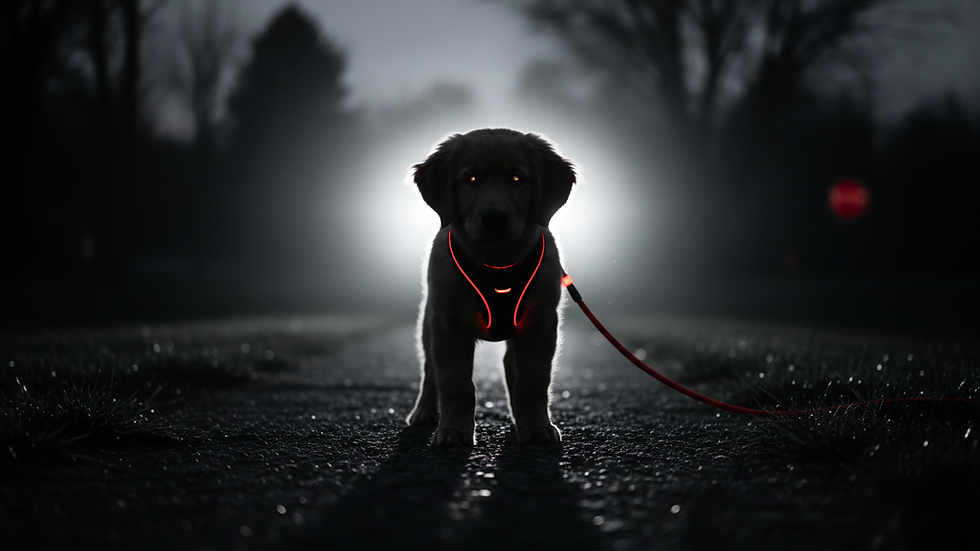
Leash and collar: Use a comfortable, well-fitting collar and a sturdy leash for control during walks and training.
Treats: Choose small, tasty treats that your puppy loves. Use them to reward good behavior immediately. Or using their daily food allowance is also a good call.
Clicker: A clicker can help mark the exact moment your puppy performs a desired behavior, making training clearer. Personally I prefer verbal cues like "good"
Crate: Crate training provides a safe space for your puppy and aids in housebreaking.
When training, use these techniques:
Positive reinforcement: Reward good behavior to encourage repetition.
Redirection: Gently guide your puppy away from unwanted behavior toward a positive alternative.
Clear commands: Use simple, consistent words and gestures.
Patience: Puppies learn at their own pace. Celebrate small victories.
House Training Your Puppy Effectively
House training is one of the first challenges you’ll face. Success depends on consistency, timing, and patience.
Follow these steps:
Establish a bathroom spot: Take your puppy to the same outdoor spot each time.
Frequent trips outside: Puppies need to go out often, especially after eating, drinking, playing, or waking up.
Praise and reward: Celebrate when your puppy goes in the right place.
Watch for signs: Learn to recognize when your puppy needs to go, such as sniffing or circling.
Limit freedom indoors: Use a crate or confined space when you can’t supervise.
Accidents will happen. Clean them thoroughly to remove odors and avoid repeat incidents. Stay calm and consistent, and your puppy will learn in time.
Building a Strong Bond Through Training
Training is more than teaching commands - it’s about building trust and connection. Spend quality time with your puppy, combining training with play and affection.
Tips to strengthen your bond:
Use a calm, friendly tone: Your puppy responds to your voice and mood.
Be consistent and fair: Predictable rules help your puppy feel secure.
Celebrate progress: Every small step is a win.
Include family members: Consistent training from everyone reinforces good behavior.
Stay positive: Puppies thrive on encouragement and love.
A strong bond makes training easier and your relationship more rewarding.
Taking the Next Steps in Puppy Training
Training your puppy is a journey, not a one-time event. As your puppy grows, continue to challenge them with new commands and social experiences. If you encounter difficulties, don’t hesitate to seek help from experienced trainers who understand your goals and your puppy’s unique personality.
Remember, your efforts today lay the groundwork for a lifetime of companionship and joy. Stay patient, stay consistent, and enjoy every moment with your new best friend.


Comments